Scents in cosmetics are often an issue. After over a decade consuming beauty content and more than three years working in the industry, I’ve seen a lot of debate around it.
Frankly speaking, fragrance-free formulations have been a staple since the 2010s. More than that, the “-free” claim has become a marketing tool, particularly pushed by the “clean beauty” trend that grew and peaked in the early 2020s during the pandemic. We all remember creators who automatically dismissed scented products, while consumers became highly cautious about what they were putting on their faces.
But why? Fragrance is often painted as a villain in skincare, while others see it as an asset. Individual taste plays a big role in that, but personal preference isn’t the only aspect. Picture it: you open a moisturizer and it smells like citrus, lavender, or even something slightly powdery. How do you react to it?
I guess the point here is understanding the role fragrance plays in skincare – which is way more complex than just “good” or “bad.” Let’s break it down.

Why Brands Use Fragrance in Skincare
That’s probably the best way to start the discussion. Like it or not, fragrances are in our products very, very often. But fragrance in cosmetics isn’t random. When scents are added, they play a strategic role in both product formulation and brand storytelling.
1. Building Brand Identity
First, one of the most important reasons is to create a recognizable brand identity. Brands like Sol de Janeiro, L’Occitane, or d’Alba use consistent, signature scents across product lines to build emotional familiarity with their customers. Sol de Janeiro’s tropical fragrances or d’Alba’s citrus-floral notes are part of the brand experience. They might not fit everybody’s taste, of course, but they’re there to create a sense of connection and loyalty through emotional memory. It’s basically a way to reinforce branding through the sense of smell. Olfactive branding.
2. Elevating the Luxury Experience
Another big reason is positioning. Fragrance is often used to make a product feel more indulgent. Luxury skincare isn’t (just) about performance. You’re not paying for a problem-solving item. If you wanted, you could spend a fraction of that on a similarly effective alternative. No, you’re paying for the experience it provides: how it feels, how it smells, how it fits into the lifestyle you wish you had. High-end skincare is all about aspiration, and scent contributes to the ritual and emotional impact of using the product.
In luxury, if everything should feel unique, that also includes how it smells. Fragrance adds to the product’s multi-sensory experience, which helps justify its higher price point. So yes, it becomes a silent indicator of exclusivity. You might not recognize the scent outside of the product, but you expect it to have one. And that elevates how luxurious it feels.
3. Improving Product Appeal
Other times, fragrance is added simply to make the formula smell better. Let’s be honest: products can be highly effective, but if they smell unpleasant, you’ll hesitate to put them on your face. Nobody wants to suffer through self-care. And the reality is, after a few years working closely with product developers and sampling multiple formulations, I realized that many raw cosmetic ingredients don’t smell good. Just like that.
If you ever get the chance to try some, you might find that higher concentrations of niacinamide can smell chalky, fermented ingredients often come off sour, and retinoids can have a medicinal scent. Some ingredients just carry particular odors, and they’re not always pleasant. In those cases, a subtle fragrance can add to balance or make the product enjoyable.
4. Supporting Emotional and Cultural Expectations (and More)
Fragrance can also serve other purposes, and the list goes on. It might be included for its aromatherapeutic qualities (calming, energizing, etc.), to suit cultural or regional scent preferences, or even just to tap into collective associations. Think of how we’ve learned to associate cooling minty scents with oil-control properties. Sometimes we simply expect to find those notes. If you’re applying a sheet mask that claims to soothe breakouts, wouldn’t it make sense for it to smell slightly like tea tree? A rich, creamy vanilla scent would feel off.
Fragrance isn’t just decoration. It shapes how we experience skincare.
Can Fragrance Irritate Skin?
Here’s the nuance: fragrance isn’t an active ingredient. It doesn’t hydrate, exfoliate, brighten, or treat your skin directly. Its role is mostly sensory.
That said, it’s important to remember that every product sold on shelves undergoes safety assessments and follows strict regulations. These processes evaluate every aspect of the formulation. Requirements may vary by country or region, but all cosmetic products are reviewed to ensure they’re safe for general use. That doesn’t mean a product will work for everyone, but it does mean it passed standardized tests for irritation, sensitization, and toxicity.
While fragrance can be irritating for some (those with sensitive skin, rosacea, or fragrance allergies in particular), it’s not inherently dangerous, nor toxic. And the proper way to know if you’re sensitive is through patch testing or medical evaluation.
Even beloved ingredients like vitamin C are highly active and can cause irritation when in excess. That’s why safety regulations exist. The same goes for fragrance: it’s carefully measured, disclosed when needed (allergens are listed), and regulated like every other cosmetic component.
Fragrance can bother sensitive skin, but it’s safe and regulated for general use.
Who Should Avoid Fragrance in Skincare?
The fragrance-free trend gained serious momentum in the late 2010s, as ingredient awareness grew. Brands started leaning into minimalism, “clean beauty,” and sensitive-skin marketing , which made “fragrance-free” a must-have. But let’s be clear. Yes, fragrance is a common allergen, and repeated exposure can lead to sensitization. But that only applies to some people. Causing irritation doesn’t make fragrance “toxic,” and for the majority of users, it’s safe. Again, every ingredient goes through toxicological testing and is assessed for safety, irritation, and allergy potential before hitting the market.
Now, the tide may be turning again. While fragrance-free formulas remain essential, scent is finding its way back, because the emotional connection matters. For many, skincare isn’t just about results. It’s also about pleasure, consistency, and ritual. And scent is a part of that, by appealing to luxury, sensorial rituals, or emotional well-being.
Avoid fragrance if you’re sensitive, but don’t fear it if your skin tolerates it.
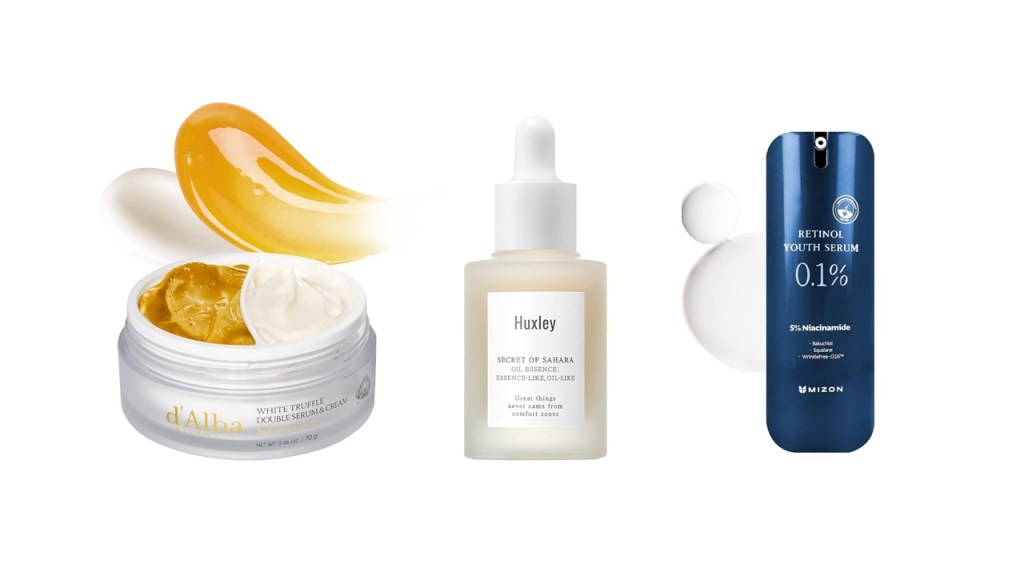
My Favorite Fragranced Skincare Products
Personally, I use mostly unscented products, but fragrance in skincare isn’t a deal-breaker for me.
Here are a few I’ve enjoyed:
- Mizon 0.1% Retinol Youth Serum: Ideal, gentle formulation for retinol beginners. Contains retinol, bakuchiol, and peptides for exfoliation and collagen support. The packaging is sleek, and the scent is slightly minty/earthy, which I actually really appreciate.
- Huxley Secret of Sahara Oil Essence: Fast-absorbing hydration with antioxidant-rich ingredients like prickly pear seed oil, cactus extract, and yerba mate leaf. It’s infused with a beautifully fresh, floral scent that feels balanced and calming.
- d’Alba White Truffle Double Serum and Cream: This dual-layer product features a hydrating serum and nourishing cream in one. Very easy to customize depending on your skin’s needs or the season. With ceramide, centella asiatica, panthenol, and white truffle, it smells subtly floral with a clean citrus edge. My partner loves this one.
Final Thoughts
Fragrance in skincare isn’t a hero or a villain. In most cases, it’s personal.
That is my point of view: if you enjoy a certain scent and your skin tolerates it, go for it! Fragrance can add joy, ritual, and even a sense of luxury to your routine. If it irritates you, well, I am sure you can find tons of fragrance-free options in the market.
In the end, the best skincare is the one you’ll enjoy using consistently.
 TG CNR